Four generations of thoughtful farming
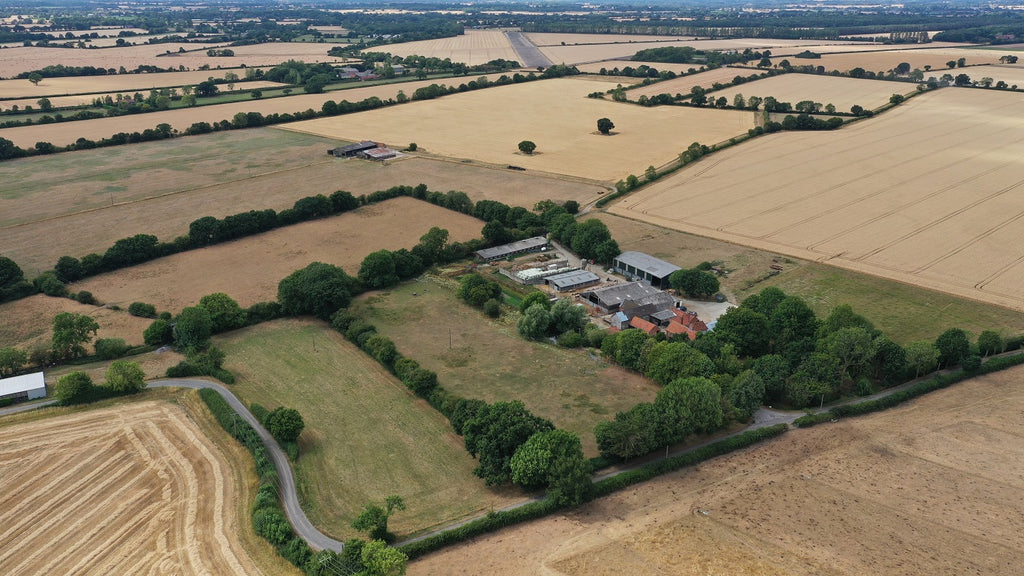
With Emily now at the helm, this is the 4th generation of the Winter/Brooks family to farm here in Denton, nestled in a sleepy corner of the Waveney Valley in South Norfolk. We are passionate about high animal welfare, low input farming and sustainability in the food sector. We farm thoughtfully, taking care of our animals and the land.

Our story
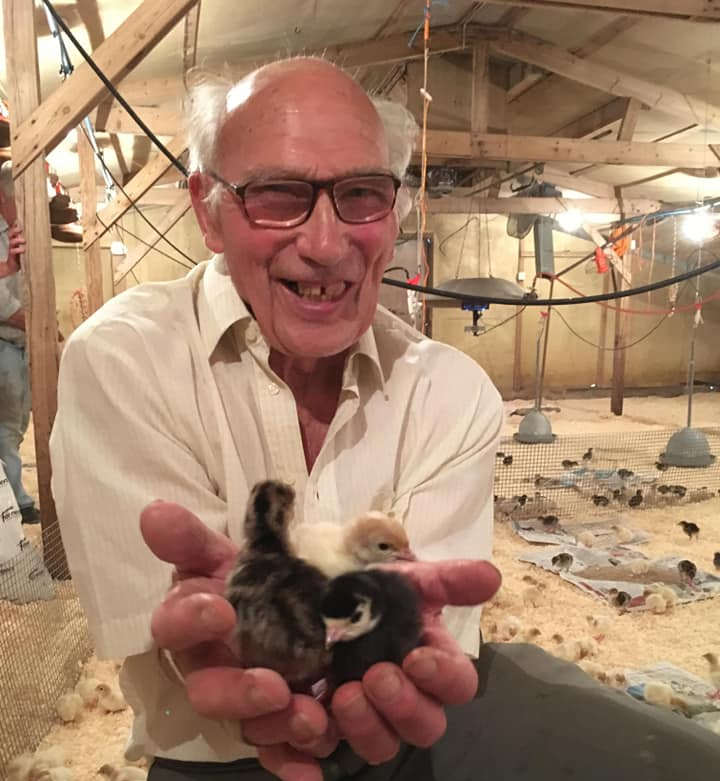
Eddie Winter was the pioneering force behind Darrow Green Farm’s dairy herd in the 1950s, though we have since transitioned to a traditional pedigree Lincoln Red suckler herd, bred for their excellent beef, along with seasonal free-range slow-growing Norfolk turkeys, free-range geese and arable land. We offer the best care and attention to our animals, taking our time to ensure a superior and tender meat is produced.
Our journey to 100% grass-fed beef
In 2022, Emily began a quest to rear 100% grass-fed cattle, driven by a determination to reduce carbon emissions, reduce artificial inputs, improve animal health and boost the nutritional quality of the meat.
The Lincoln Red herd at Darrow Green are now fed solely on grazed pastures and grass silage stored for overwinter feed - no cereals, no maize, no soya. The animals are slower to mature, but taste all the better for it! The meat is also more nutritionally dense, compared to conventional beef fattened quickly on a grain-rich diet. In fact, evidence shows that 100% grass-fed beef contains more beneficial omega-3 fatty acids, which have an anti-inflammatory property and are typically lacking in a modern diet (read more here).
As part of this journey, the management of the grass pastures has changed too. Emily has boosted the grassland species diversity with herbs and legumes, that not only improve the soil and provide resilience to extreme weather, but can also bring natural medicinal benefits for the grazing cattle. What is more, the cattle are now mob-grazed around the farm - a practice which maximises the grass production in a low-input system and allows longer rest periods for the land to recover.


Milling our own soya-free turkey feed
One of Emily's most significant concerns with rearing poultry was the reliance on imported soy, to provide enough protein in the turkeys' diet. This product is predominantly imported from South America, and comes with considerable environmental and ethical impacts, including deforestation throughout vast areas of the Amazon and displacement of indigenous communities.
One alternative was to explore insect protein from fly larvae that can devour waste food and drink products, from kitchen scraps to agricultural waste. However, it soon became clear this would need significant investment in the farm infrastructure.
Instead, Emily's answer came in the form of home-milled turkey feed, using cereals and beans grown at Darrow Green Farm, with a little potato protein and minerals added in to provide that all important nutrition. We knew it was a success when the birds thrived on it!
Giving a boost to biodiversity
All across the farm, we are doing everything we can to restore nature. We are planting new hedgerows and trees, restoring old ponds and providing overwinter food plots for farmland birds.
Emily's ambition is to grow bread wheat for a pioneering company called Wildfarmed. Under their high standards, we cannot use insecticides or fungicides, and must move away from monoculture farming, meaning all arable crops must be accompanied by other species, such as flower strips for pollinators or legumes that boost soil health. Data shows that these changes will promote wildlife, improve water quality and reduce carbon emissions.
